Collection: Washing-Up Products UK | Plastic-Free, Refillable & Ingredient Checked
A considered collection of washing up products chosen for their materials, ingredients, refill options and everyday performance.
At EcoElara, we don't assume a product is a better choice simply because it is labelled "eco-friendly", "natural" or "plastic-free". We look at what the product is made from, what is actually in the formulation, how it is packaged, whether parts can be refilled or replaced, and how well it is designed for the job.
What we look for
- Ingredient transparency in washing up liquids, bars and concentrates
- Plant-based and natural fibre materials in brushes, cloths and scourers
- Refillable or replaceable formats that keep bottles and handles in use
- Plastic-content and packaging
- End-of-life information
- Practical performance for everyday washing up
- Supplier evidence and certifications where available
Not every product solves the same problem. Some reduce reliance on disposable plastic sponges. Some keep a bottle or brush handle in use through refills or replacement heads. Others use solid formats or concentrated refills to change how the product is packaged and transported.
We also make limitations clear. a product may contain plastic, fragrance allergens or synthetic ingredients and still earn a place if the material, formulation and purpose are clearly disclosed and it meets our product-selection criteria.
What you'll find here
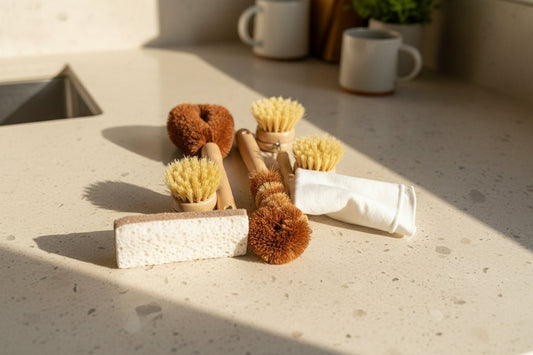
Explore washing up liquids and refills, solid dishwashing bars, bamboo and wooden brushes, replacement heads, cellulose and coconut fibre sponges, loofah pads, copper scourers and other kitchen cleaning accessories from different brands.
Use what you already have. Replace only when you need to. Choose with more information when you do.
We did the research, so you don't have to.
Want to make your washing-up routine more plastic-free? Read our blog: Plastic-free Cleaning Tools vs Conventional Cleaning Tools

Frequently Asked Questions
-
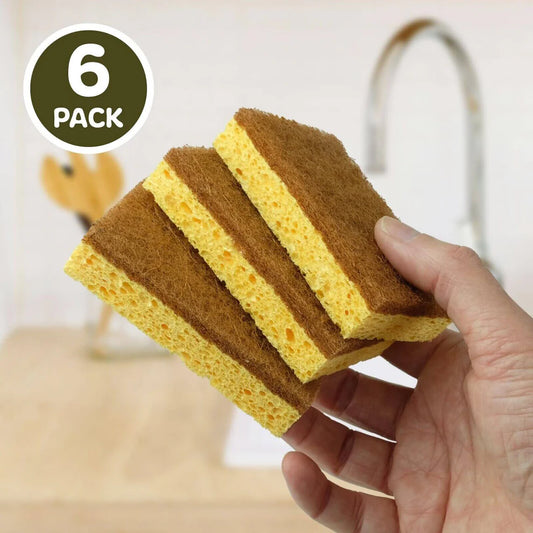
Ecovibe Coconut & Cellulose Sponge Scourers Pack of 6
Regular price £9.99Regular priceUnit price per -
Jungle Culture Bamboo Dish Brush Replacement Head - Soft or Firm
Regular price £2.75Regular priceUnit price per -
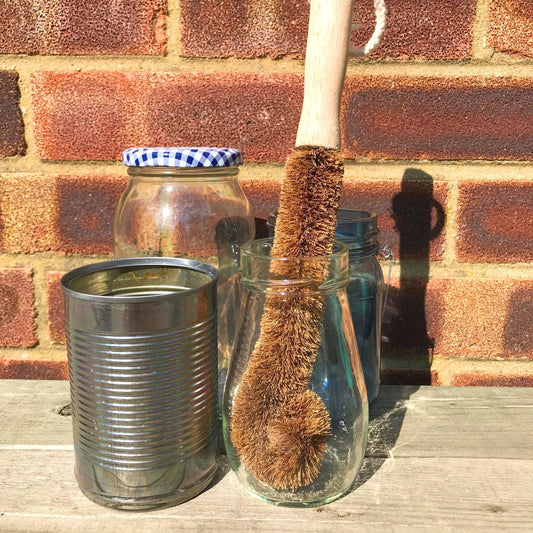
LoofCo Coconut Coir Bottle Brush
Regular price £3.75Regular priceUnit price per -
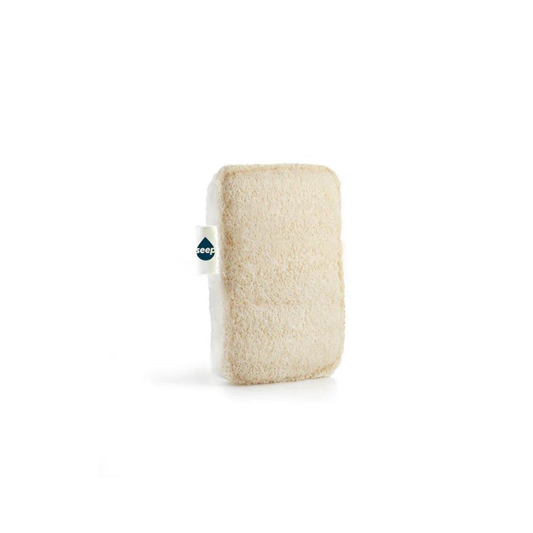
SEEP Eco Sponge Scourers - Pack of 4
Regular price £12.00Regular priceUnit price per -
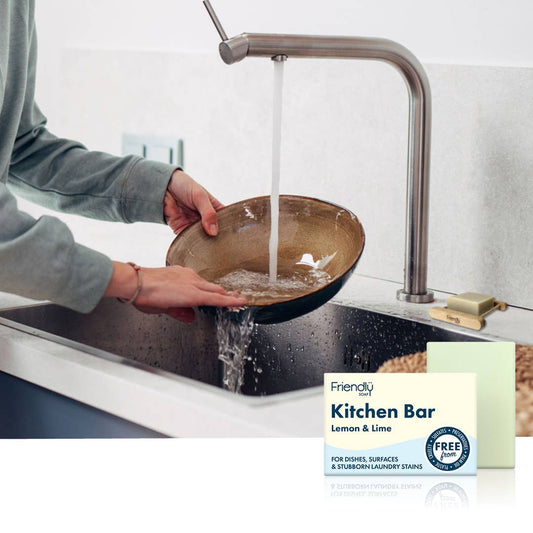
Friendly Soap Plastic-Free Dishwashing Bar - Lemon & Lime - 95g
Regular price £3.25Regular priceUnit price per -
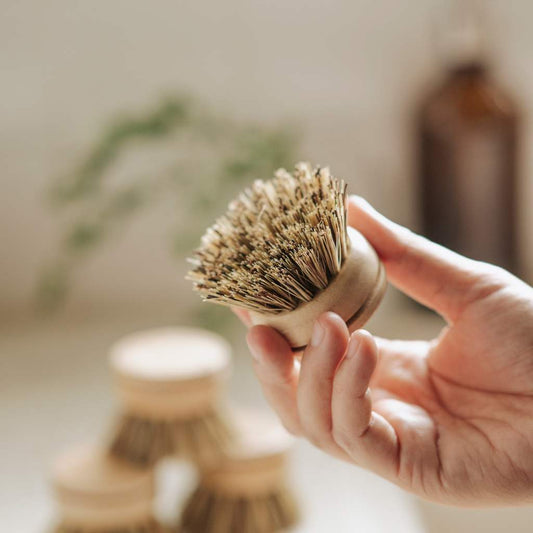
Wild & Stone Tampico Fibre Pot Cleaning Brush
Regular price £6.00Regular priceUnit price per -
New Living Coconut Fibre Kitchen Scrubbers Pack of 2
Regular price £1.99Regular priceUnit price per -
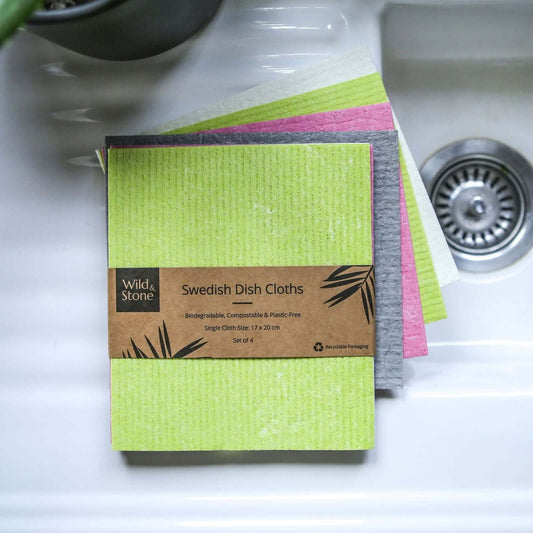
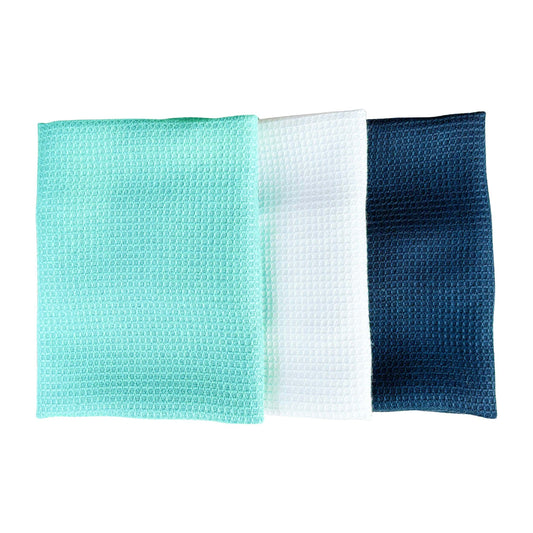
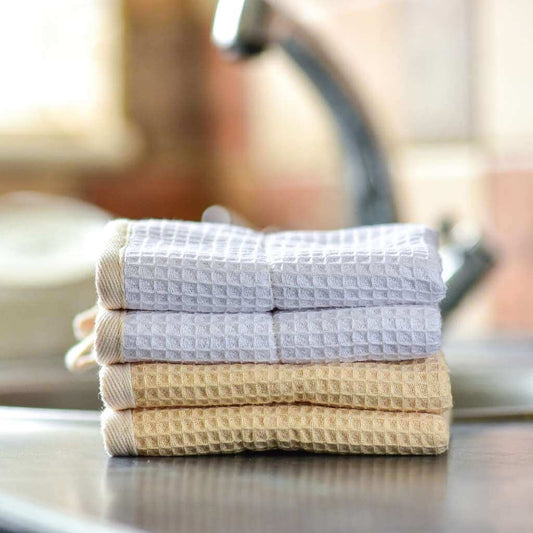
Wild & Stone Compostable Swedish Dish Cloths - Set of 4
Regular price £5.50Regular priceUnit price per -
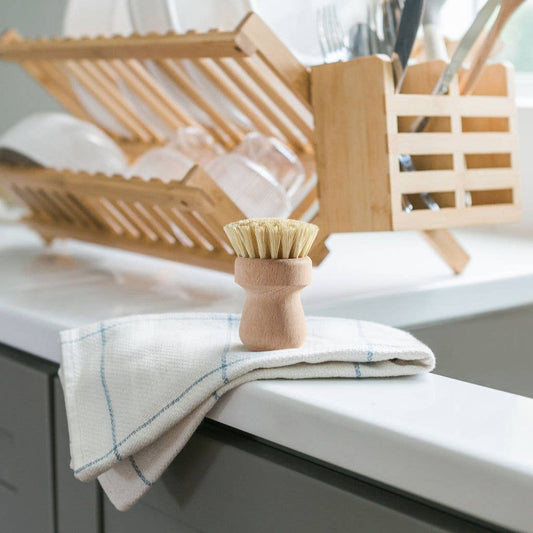
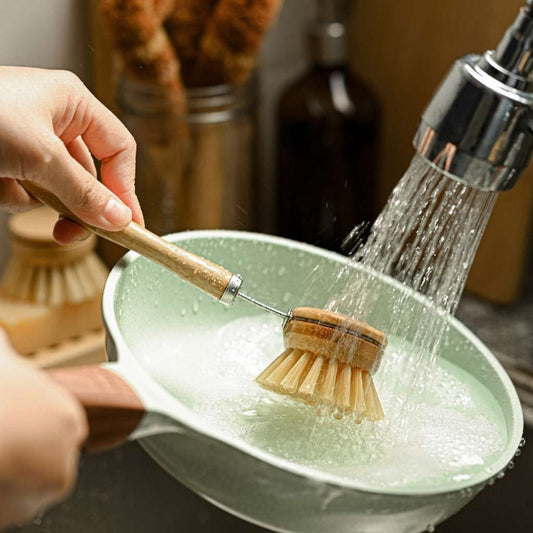
EcoElara & Jungle Culture Plastic-Free Bamboo Dish Brush
Regular price £6.50Regular priceUnit price per -
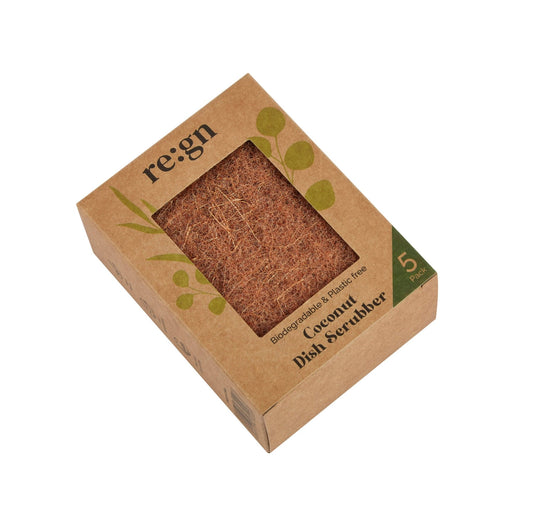
Re:gn Coconut Coir Kitchen Scourers - Pack of 5
Regular price £2.99Regular priceUnit price per -
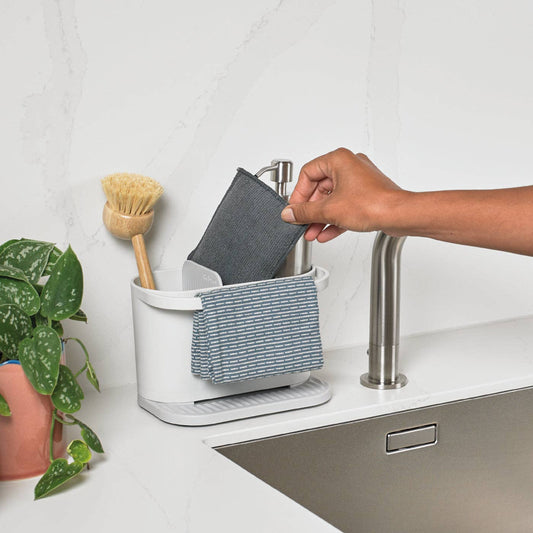
ReBorn Recycled Plastic Sink Tidy
Regular price £19.99Regular priceUnit price per -
Seep All-Purpose Cloths - 3 pack
Regular price £9.50Regular priceUnit price per -
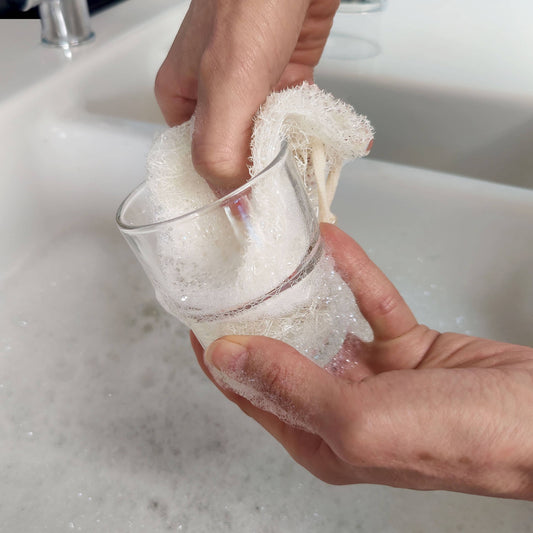
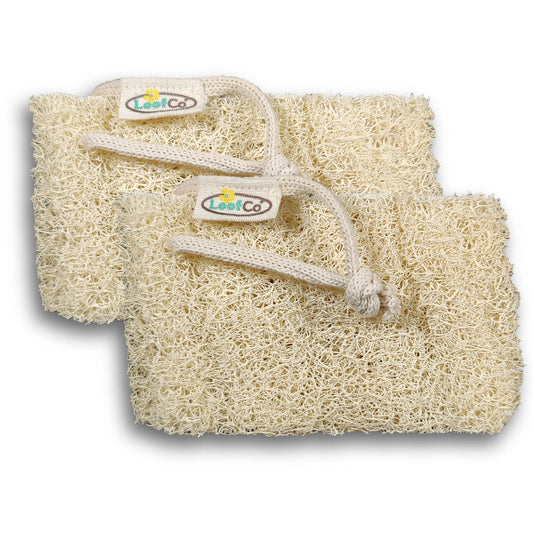
LoofCo Washing-Up Slim Pad | Plastic-Free Loofah | Pack of 4 | EcoElara
Regular price £4.95Regular priceUnit price per -
LoofCo Loofah Washing-Up Pad - Pack of 2
Regular price £4.95Regular priceUnit price per -
Re:gn 7-Piece Plastic-Free Kitchen Cleaning Set
Regular price £22.00Regular priceUnit price per -
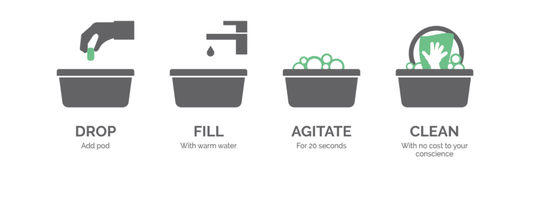
Plastic-Free Compostable Washing Up Pods - Pack of 20
Regular price £5.76Regular priceUnit price per -
Greenscents Reusable Pump for 500ml Bottles
Regular price £1.00Regular priceUnit price per -
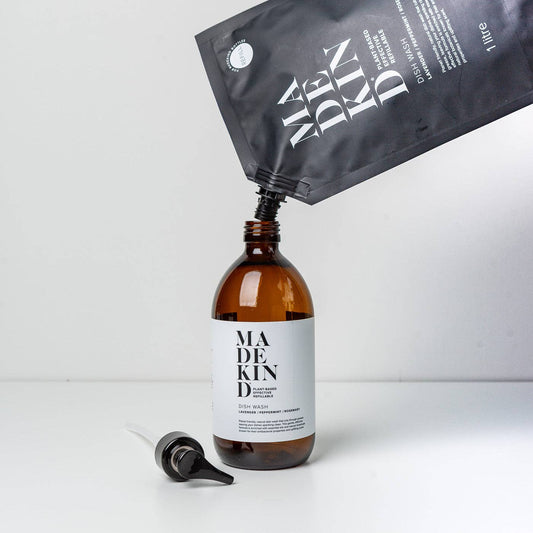
MadeKind Washing Up Liquid Refill - 1 Litre
Regular price £11.00Regular priceUnit price per -
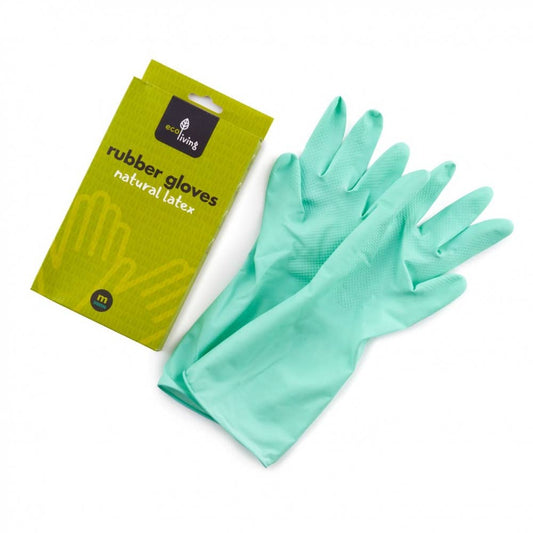
EcoLiving Natural Rubber Latex Cleaning Gloves Gloves - Green
Regular price £3.08Regular priceUnit price per -
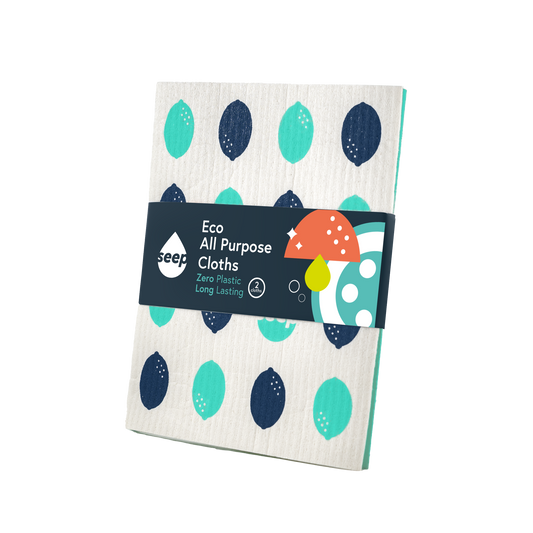
SEEP Eco Sponge Cloths - 2 Pack
Regular price £4.95Regular priceUnit price per -
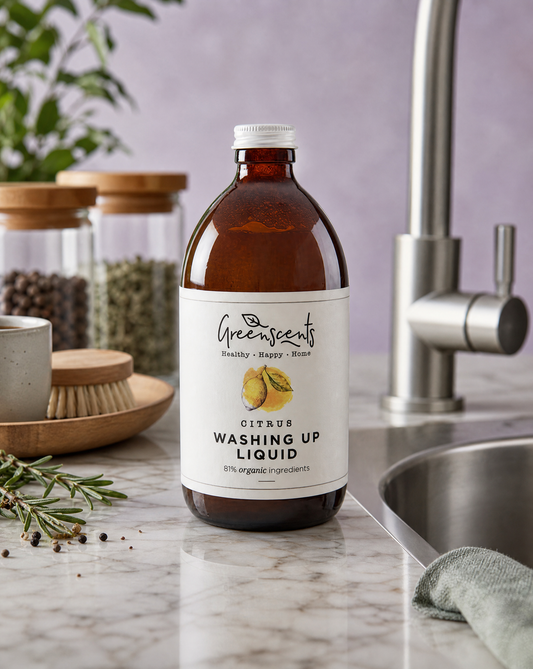
Greenscents Organic Washing Up Liquid: Citrus 500ml | EcoElara
Regular price £8.50Regular priceUnit price per -
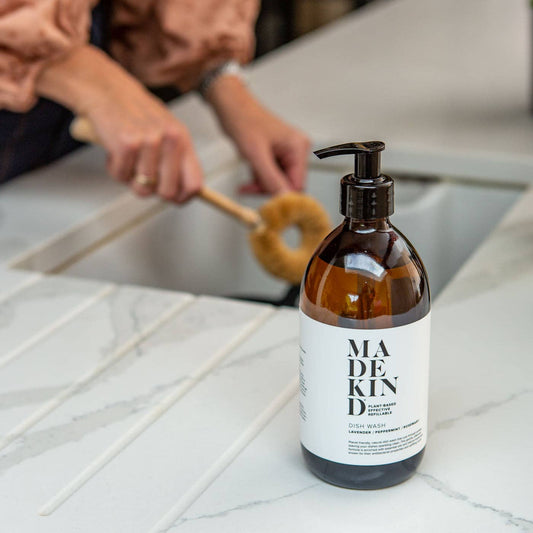
MadeKind Plant-Based Dish Washing Up Liquid 500ml | Lower-Waste Washing Up
Regular price £10.00Regular priceUnit price per -
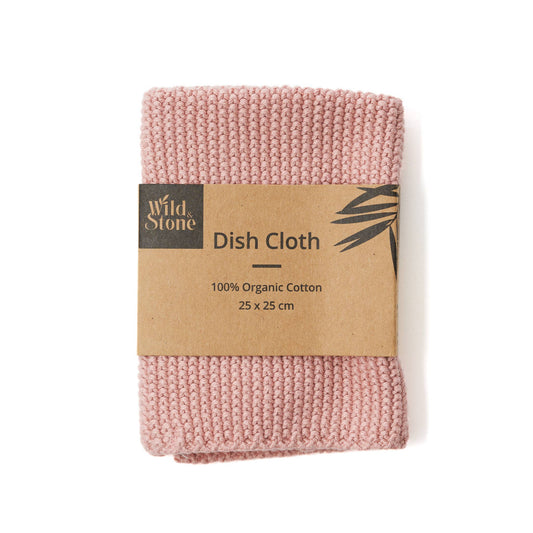
Wild & Stone Organic Cotton Dishcloth
Regular price £6.00Regular priceUnit price per -
Jungle Culture Organic Cotton & Sisal Cleaning Cloth
Regular price £6.00Regular priceUnit price per -
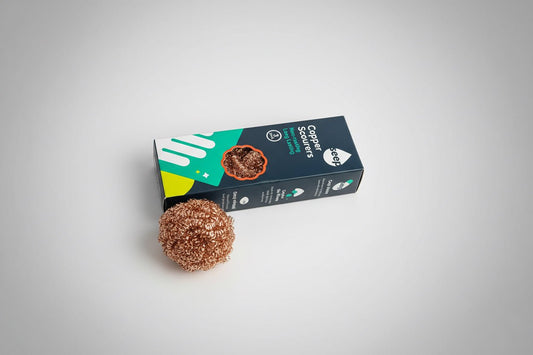
SEEP Copper Kitchen Scourers Pack of 3
Regular price £7.50Regular priceUnit price per